
Did you know that more species of birds nest in riparian areas than any other habitat (Knopf et al. 1988)? The brushy shrubs, leaning cottonwoods, tangled willows, and hidden nooks created by our messy rivers provide perfect places for birds to nest, hide from predators, and safely raise their chicks.
Here in the Kettle River Watershed, we are lucky to have an incredible variety of birds — a blend of species found in both the Okanagan and the Kootenays. Many of these birds depend on our rare Black Cottonwood Riparian Forests. These big cottonwoods, with their missing limbs, hollow trunks, and rough bark, might look a little scruffy to some, but they are ideal nesting spots for many species. The Western Screech Owl is one of the birds that loves these natural tree cavities.
The Boundary is lucky to have the charismatic Lewis’s Woodpecker, a species that depends on the dead and dying cottonwoods that line the Kettle and Granby Rivers. While many people see these old trees as ugly or dangerous, they are actually full of life, providing homes for birds, bats, squirrels, insects, and many other creatures.
Beyond the cavities, the thick shrubs and willow tangles along the riverbanks shelter small songbirds like the bright Yellow Warbler and secretive Common Yellowthroat. The quiet backwater channels and side ponds give safe nesting places to Wood Ducks and Hooded Mergansers. And above it all, Bald Eagles and Western Tanagers perch high in the trees.
The constant movement and reshaping of the river — through floods, erosion, and shifting channels — keeps this habitat rich and diverse. Without the natural messiness of the river, many of these birds would struggle to find the places they need to raise their young.
As a gentle reminder: this time of year, many birds are still nesting. If you’re planning any clearing of trees or shrubs near rivers or wetlands, consider waiting until later in the season, after nesting has finished. A little patience now helps ensure healthy bird populations for years to come. So the next time you see a leaning cottonwood or a flooded side channel, remember: the messy river is busy taking care of the birds.
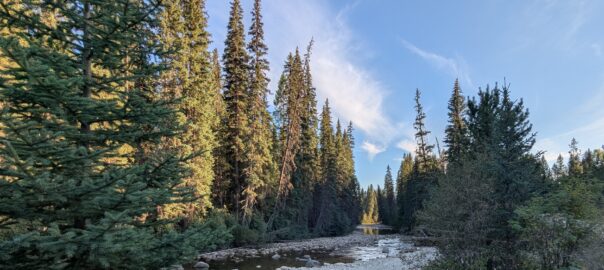

 What are you doing to help ensure water remains available for all species in these watersheds.
  Share your water-saving tips and inspire others!


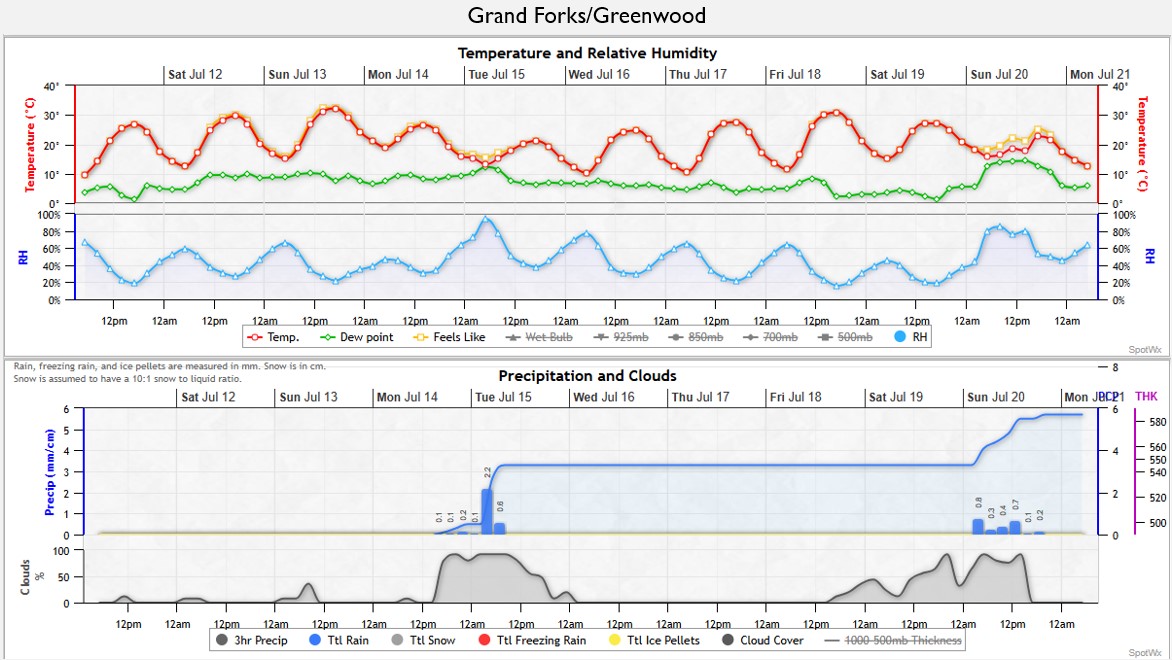
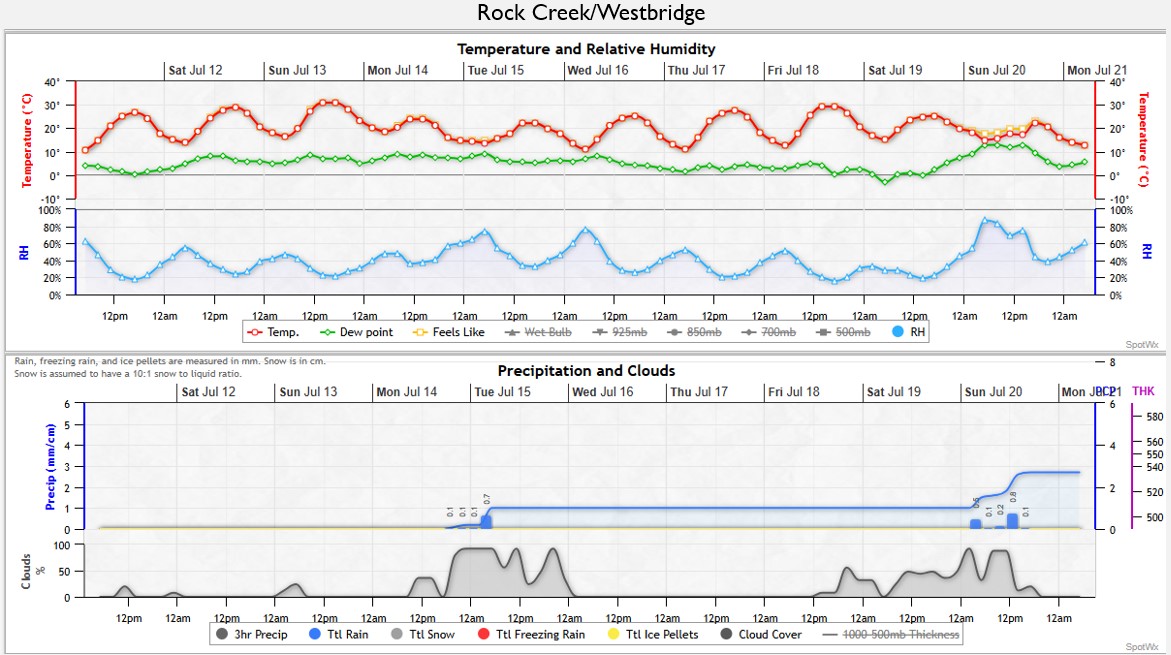
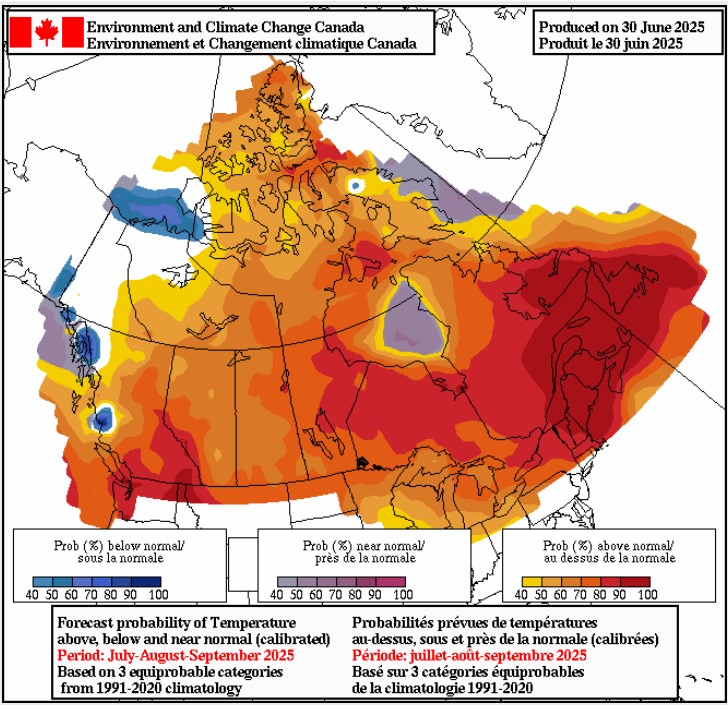
 Last week’s rain made our river levels rise a bit, but they’re still lower than usual for this time of year.
 Have you noticed the levels dropping quickly? The gr
 With the hot weather continuing and only a bit of rain forecasted, our river levels will likely keep falling across the Boundary Region while the fire danger rating increase.
 The hydrographs below show river water and groundwater levels for the Granby River, Kettle River, and West Kettle River. The second graph in the image highlights the groundwater well level that is most closely connected to these rivers.

